

Scale at Speed™







 English (Global)
 French (Canada)
- Visibility comes first. Without it, Kubernetes (K8s) costs are hard to track.
- Costs increase as clusters grow, often due to unnoticed over‑provisioning and idle workloads.
- AI-driven, pod-level optimization and FinOps practices enable smarter utilization, and are key to managing costs at scale.
- Integrated platform like Tech Mahindra’s CBT, provide a centralized view of Kubernetes spending that helps in resource management and cost control.
Cost Challenges in Kubernetes and The Role of Visibility
The management of K8s clusters provides flexibility and scalability, but unmanaged costs can escalate quickly, leading to financial burdens. This is one of the key challenges for many organizations. In our experience with the platform, a smarter and more structured approach can provide an effective solution to resource utilization and optimization.
The first step towards this approach is gaining clear visibility into cluster resource usage. A K8s dashboard provides visibility into CPU and memory utilization across containers, making it easier to detect inefficiencies and control cluster costs.
Visibility is the antidote to unnecessary spending in the K8s environment.
Why Do Costs Escalate in K8s?
Cost escalation in a Kubernetes environment is driven by multiple factors; here’s a rundown.
- Over-provisioning: Allocating more CPU and memory resources than required incurs an unnecessary rise in costs.
- Idle Resources: Nodes and pods in the environment can be idle and still contribute to the monthly costs.
- Shared Infrastructure: When several teams run workloads on the same cluster, separating usage by department becomes difficult, making accurate cost attribution harder.
- Multi-cloud Complexity: Running Kubernetes workloads across cloud platforms such as AWS, Azure, and GCP complicates cost visibility and management.
Accounting for the cost drivers in Kubernetes is key to preventing continuous cost leakage and maintaining control.
A Recommended Approach: The Cost Management Lifecycle
An effective Kubernetes cost management must adapt to a continuous cycle of the following:
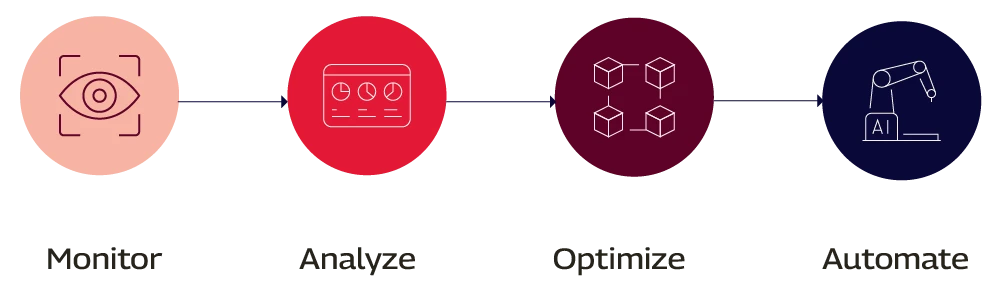

Figure 1: K8s Resource and Cost Optimization Workflow.
- Monitoring resource usage and cost-related activities constantly to have active visibility
- Analyzing and reviewing cluster usage to spot idle pods and over-provisioned workloads for better utilization and cost control
- Optimizing, planning, and aligning resources based on demand and implementing auto-scaling when necessary helps in efficient utilization.
- Automating and utilizing AI and ML capabilities for predictive scaling and anomaly detection.
This lifecycle improves resource usage and gives teams clearer control over Kubernetes costs. It also supports FinOps practices by making spending easier to track and manage.
Aligning K8s Cost Management with FinOps Principles
K8s cost management fits naturally within a FinOps model by improving visibility into cloud spending and strengthening cost ownership across teams. By offering detailed insights into resource consumption across clusters and applications, it helps teams understand cost drivers and track usage in real time. This visibility enables accurate cost allocation across teams and departments based on actual usage, leading to improvement in ownership and accountability. Additionally, with dynamic scaling, resources can be adjusted in response to demand spikes, thus avoiding unnecessary costs.
What Makes It Effective in Practice?
An effective cost management platform includes the following capabilities:
- Real-time Visibility: Helps teams monitor costs at various levels, such as namespaces, deployments, or teams, thus ensuring better transparency.
- Smart Optimization: Enables teams to pause workloads during off-hours, thus optimizing operational expenses as well as reducing energy consumption.
- Eco-efficient Scheduling: Schedules workloads based on usage patterns and demand cycles to reduce the environmental impact of compute resources.
- Multi-cluster Governance: Allows efficient management of hybrid and multi-cloud environments by offering centralized control over multiple clusters.
Powering Cost Management with TechM’s Cloud BlazeTech (CBT)
CBT is Tech Mahindra’s cloud platform that helps organizations handle growth, performance, and cost control across multi-cloud environments. Using CBT, organizations can manage scalability, resilience, and financial performance across hybrid environments. When integrated with K8s cluster cost management, CBT provides enterprises with an integrated view of resource usage and spending and supports broader cloud transformation initiatives.
The Bottom Line
As K8s environments scale, manual optimization becomes increasingly difficult to sustain. Though it is adequate for small clusters, it fails to provide value as the size increases. In such scenarios, AI-driven, pod-level optimization provides a more transformative approach by forecasting resource requirements, adjusting allocations dynamically, and reducing overall infrastructure waste. Organizations using these K8s cost management techniques have reported up to ~30% lower cloud costs while improving coordination between DevOps and FinOps teams through better visibility and control.
The mandate is clear: enterprises that aim to sustain and expand across multi-cloud environments must invest in a strong cost management strategy or risk losing control over cloud spending.
TAGS:
Cloud and Infrastructure Services
Application Development Maintenance Service
Data Analytics
Hi Tech
Retail
Frequently Asked Questions
Our FAQ section is designed to guide you through the most common topics and concerns.
Kubernetes environments are highly flexible, but without structured oversight, resource usage can grow inefficiently. Over-provisioned workloads, idle resources, and shared infrastructure often lead to rising cloud bills. Cost management helps organizations gain visibility into actual usage, detect inefficiencies, and prevent uncontrolled spending as clusters scale across teams and cloud providers.
Costs typically rise due to over-provisioning of CPU and memory. Idle nodes and pods continue to consume billable resources, making it difficult to attribute costs in shared clusters. Multi-cloud deployments further complicate cost tracking, as spending data is spread across different platforms with varying pricing models and reporting methods.
Visibility into container-level CPU and memory usage allows teams to identify underutilized or over-provisioned workloads. Dashboards that show real-time resource consumption make it easier to understand cost drivers, correlate spending with usage, and take corrective action before inefficiencies significantly impact overall cloud spending.
The lifecycle includes monitoring resource usage, analyzing workloads to find inefficiencies, optimizing resource allocation based on demand, and automating actions like scaling and anomaly detection. This continuous cycle helps maintain cost efficiency over time and supports better coordination between technical and financial stakeholders.
Kubernetes cost management aligns with FinOps by improving transparency into cloud spending and enabling usage-based cost allocation. Real-time insights help teams understand their consumption, take ownership of costs, and adjust resources dynamically, supporting informed financial decisions without compromising performance or scalability.
