






Overview
A leading global chemical manufacturer undertook a large-scale network transformation to improve visibility, resilience, and governance across its distributed enterprise operations. Tech Mahindra implemented an AI-enabled co-managed network model powered by its netOps.ai framework, unifying network, security, automation, and service management platforms into a single observability layer to strengthen operational efficiency and transparency.
Industry Challenge
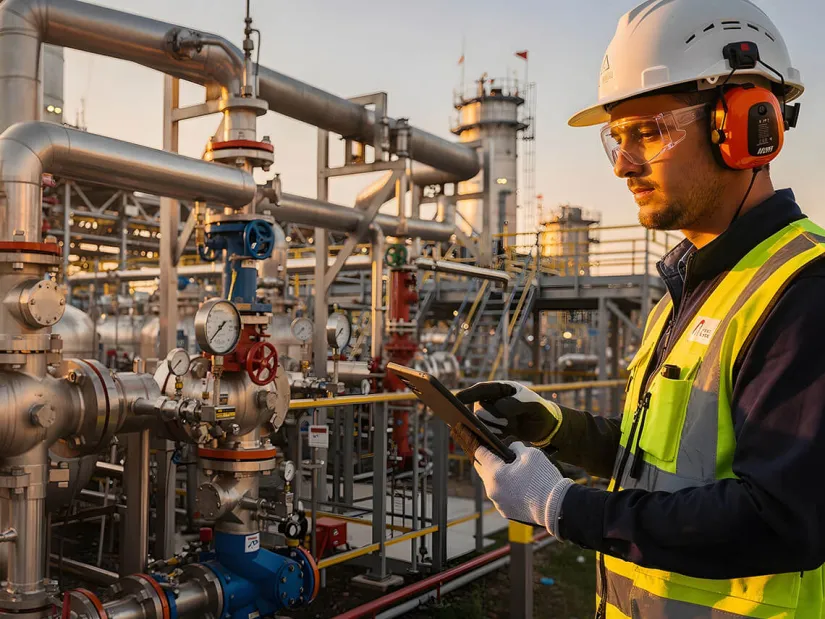
The global manufacturer, headquartered in Germany and with an expanding network worldwide, relied on fragmented monitoring tools and manual operational processes. Limited end-to-end visibility, rising incident volumes, and inconsistent operational governance across regions slowed response times and increased operational complexity. These challenges highlighted the need for a standardized, resilient, and co-managed network operating model.
Benefits
- Reduced unplanned network downtime by 32%, improving operational continuity
- Achieved real-time visibility across global facilities through unified observability
- Increased production throughput by 14% increase, supported by improved network reliability
- Improved workforce productivity with automation deployed from day one
- Strengthened governance and resilience through a co-managed operating model