


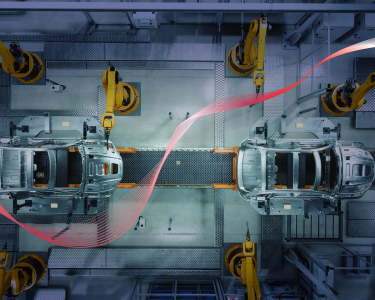





As per UNCTAD, global trade touched nearly USD 33 trillion last year, setting a milestone that few anticipated. Yet as we move through 2025, clouds are beginning to gather. Rising tariffs are slamming the brakes, stalling the rapid climb of global trade. Policymakers find themselves torn between putting domestic priorities first and keeping global cooperation alive. Tariffs, meanwhile, are back in the spotlight. Their ripple effects are already visible: automakers rethink pricing, semiconductor firms absorb higher component costs, textile suppliers face new duties, and the travel sector reassesses visa revenues.
The Shifting Tariff Landscape
Trade policies have changed drastically in the past two years. Geopolitical and environmental strategies will replace short-term protectionism. The US has been increasing tariffs on Chinese goods, such as automobiles, chips, and key mineral ores, with a few rates running up to 100%, according to IHS Markit.
These are not merely changes in policy but existential threats for logistics, freight forwarders, port operators, and customs specialists. Supply chains are being reinvented, with resilience, adaptability, and alignment emerging as the new holy grails.
The Logistics Industry Under Pressure
Logistics providers are now working in a world where trade lanes are less predictable and more agile. Tariffs are dislocating established sourcing and delivery models, prompting companies to rethink everything, from warehouse location to last-mile delivery.
This shift has created several short-term challenges for businesses, necessitating immediate action across processes, technology, and operating models in response to sudden disruptions in trade flows and logistics operations. Below are the immediate problems and their fixes:
1. Rerouted Trade Lanes:
There is a notable movement toward Southeast Asia, particularly to Vietnam, India, and Mexico, as alternative manufacturing bases.
Immediate Fix:
- Supply Chain Control Tower: Monitor new trade shipment status on an AI-enabled supply chain visibility platform and control tower
- Adaptive Path Optimization: Use ML programs and agentic AI to adjust the cargo route based on congestion, port delays, and customs bottlenecks
2. Port Pressure and Bottlenecks:
The growing sector of ports is strained by redirected volumes and limited processing capacity.
Immediate Fix:
- IoT Intelligent Ports Infrastructure: Prefer vendors using ports with automated cranes, RFID, and predictive unloading systems to minimize dwell periods
- Distributor Slot Booking APIs: Allow trucks and containers to pre-book arrival times to reduce wait times
- Crowd-Sourced Logistics Intelligence: Use platforms that compile real-time data on port congestion
3. Upending Traditional Hubs:
Traditional transshipment destinations like Shanghai and Los Angeles are seeing a decrease in container flow, with long-optimized supply routes now being tested.
Immediate Fix:
- AI-Powered Inventory Placement Forecast: Anticipate changes to demand, pre-position inventory closer to demand zones, and leverage GenAI for forecasting and predictive analytics
- Micro-Fulfillment Centers (MFCs): Minimize dependence on regional hubs and establish urban nodes for fulfillment
4. Pressure on Intermodal Logistics:
With the addition of new transit routes between China and Europe, intermodal connections, warehousing, and last-mile logistics are challenged, particularly in the context of underdeveloped infrastructure.
Immediate Fix:
- WMS Rollout: Track and improve warehouse performance in newer territories to boost efficiency and cut costs
- Digital Freight Matching (DFM): Utilize DFM apps to instantly connect with truckers
- Transparent Logistics Contracts: Expedite intermodal handovers with secure, traceable (blockchain-led) paperwork
5. Increased Costs:
New tariffs increase customs documentation, inspection time, and the need for more up-to-date compliance systems.
Immediate Fix:
- Automated Trade-Compliance Platforms: Employ agentic AI and intelligent automation solutions to ensure country-specific trade compliance
- Smart Document Scanning and AI Optical Character Recognition (OCR): Fast-track the digitization of Bills of Lading (BOLs) and implement agentic AI-driven workflows to automate document processing, data entry, and custom validations
6. Higher Risk and Insurance Exposure:
Trading with unfamiliar markets on unfamiliar routes increases security risks and insurance premiums.
Immediate Fix:
- AI-led Predictive Risk Modeling: Utilize an agentic AI solution with historical and real-time data (weather, political risk, and theft zones), to evaluate and manage risks dynamically
- Connected Freight with IoT Sensors: Implement connected intelligence through IoT, digital twin, and AI to track damage and temperature in transit, and monitor cargo quality to reduce claims
7. Warehousing and Transshipment Expense:
Firms are compelled to invest in local warehousing to manage origin switching and avoid disruptions, which hikes their operational costs in the short term.
Immediate Fix:
- New Warehouse Robotics and Automation: Establish modular fulfillment with Autonomous Mobile Robots (AMRs)
- Cloud-Enabled Inventory Management System: Facilitate end-to-end visibility of inventory across complex warehouse systems with AI-integrated tracking tools
Long-Term Strategic Imperatives
Let's focus on the strategic imperatives: the major transformations that companies need to pull the levers for to build these resilient, tech-enabled, and future-ready supply chains. One crucial aspect of this transformation is supply chain reengineering, where logistics providers are re-evaluating their operations, embracing advanced technologies and strategic partnerships to adapt to new tariff regimes and global trade shifts. Key approaches include:
- Digital Twin Models: Logistics providers are utilizing digital replicas to model and optimize global trade routes and to plan for new tariff regimes
- Regional Relationships: Companies are relying more on local third-party logistics (3PL) partners who understand local laws and can navigate dynamic customs environments
- AI-Powered Agentic Tools for Compliance: AI is increasingly used for automated tariff classification, landed-cost prediction, and compliance analytics in advanced logistics planning
- Diversifying Manufacturing and Distribution Hubs: Long-term strategies are shifting production footprints to politically aligned or low-tariff locations to hedge geopolitical risk
Industry Level Fallout
These tariff shifts are creating significant upheaval across various sectors. Below, we look at how they are playing out:
- Retail and Consumer Packaged Goods (CPG): Retail and CPG firms are feeling the pinch of tariffs on imports of raw materials, packaging, and finished goods, especially from Asia. The upshot is that many brands are racing to switch suppliers, relocate production to more expensive locations, or absorb the additional costs. Some pass them on to customers; others bear them and endure a hit to profits. This results in pain in the form of inventory delays and product launch backlogs, caused by mine-to-port ore haulage disruptions in Queensland markets.
- Automotive and Electric Vehicles (EVs): Car manufacturers are under intense pressure, front and center. US tariffs on Chinese electric vehicles, batteries, and components have skyrocketed, in some instances, by 100 percent. That's pushing carmakers to scrap their proposed supply plans and explore alternative sources in regions unaffected by trade restrictions. More than costly, it’s getting in the way of the EV transition that everyone has been discussing for years.
- Semiconductors and Electronics: Chip and electronics supply chains are hyper-vulnerable, frequently crossing numerous borders before final assembly. These delicate supply routes are starting to fracture with new tariffs in place. That translates to more paperwork, higher costs, and added pressure to find local alternatives or to establish entirely new supplier networks in trade-friendly countries.
- Green Energy and Renewables: Clean energy is getting hammered. Solar panels, battery systems, and wind components from China are now much more expensive. That’s dragging the deployment of clean energy infrastructure and raising the cost of renewable projects, especially in nations pushing aggressive decarbonization goals.
- Airlines and Travel: Costs are increasing thanks to tariffs on aviation fuel additives, aircraft parts, and even the food served on flights. These factors are pushing up ticket prices, delaying aircraft repairs, and changing routes. Compliance obstacles and supply chain delays are forcing travel companies to source more from local vendors and rethink their route planning altogether.
Consumer Impact of New Tariffs
These significant shifts in global trade ultimately have a direct impact on consumers, manifested in several ways:
- Higher Prices on Goods: Businesses often pass on increased tariffs to consumers, thereby raising the cost of electronics, appliances, vehicles, and apparel, particularly when these goods originate from countries affected by the tariffs.
- Reduced Product Availability: Due to rerouted supply chains and more complicated sourcing, some products may be delayed or disappear from store shelves entirely. This particularly affects tech gadgets, EVs, and seasonal goods that rely on just-in-time logistics.
- Slower Innovation Cycles: Surging prices and sourcing difficulties are delaying the release of new products or updates. Shoppers could face longer wait times for the latest smartphones, electric vehicles, or energy-efficient appliances.
- Inflation Pressure: Tariff-driven cost increases contribute to broader inflation, which ultimately erodes consumer spending power over time. This makes discretionary spending on travel, electronics, and home goods more difficult for the median household.
Conclusion
The resurgence of tariffs is upending how companies that are part of global supply chains manage their businesses. With costs increasing and trade wars complicating overseas operations, companies are under pressure to reassess their logistics and sourcing strategies.
To grow stronger, they have to focus on flexibility by constructing agile supply networks and adjusting rapidly to disruptions. As a result, those who act now can turn today’s crises into long-term opportunities. In this fast-moving world, flexibility isn’t an advantage; it’s a requirement. Companies that abandon obsolete logistics models and embrace innovation will be far better positioned to compete in the future of global trade.
Endnotes
- (2025, March 14). The role of tariffs in international trade. UN Trade and Development.
- Lawder, D. (2024, May 22). US announces details of higher China tariffs, some to start Aug. 1. Reuters.