

Scale at Speed™







 English (Global)
 French (Canada)

Abstract
Around one-third of global food production is lost or wasted, with 13% from post-harvest to retail and 19% at the consumer level, according to FAO and UNEP (2024). Meanwhile, over 75% of consumers are willing to pay a premium for products with verifiable, transparent sourcing, as reported by BCC Research. This gap between supply-chain capabilities and stakeholder expectations defines the industry challenge.
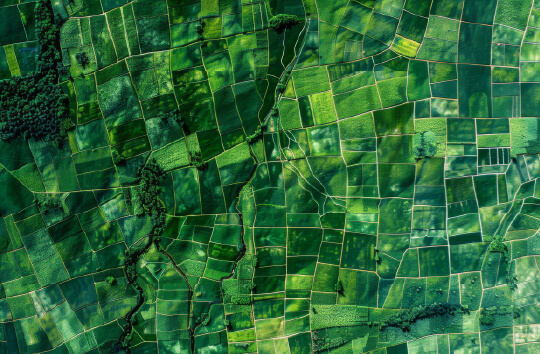
Farm digitization helps close this gap by enabling real-time visibility from seed to shelf. Mobile-first agri apps, AI-driven analytics, satellite imagery, and end-to-end traceability improve ingredient quality, supply planning, and risk management. This white paper examines how farm digitization is reshaping the F&B industry, the adoption drivers, key technologies, and the tangible impact achieved through Tech Mahindra's solutions.
Learn How AI-led Farm Digitization Transforms Sourcing, Quality, and Supply Resilience
Key Insights
Rising regulatory pressure and consumer expectations have made end-to-end visibility non-negotiable. F&B companies must trace ingredients from farm to shelf with verifiable data to meet food safety, sustainability, and ESG requirements, turning transparency into a core operational capability.
Manual records and siloed farm data limit visibility into growing conditions, harvest timing, and quality. These gaps lead to supply disruptions, broad recalls, sustainability risks, and post-harvest losses, exposing organizations to high costs and reputational impact.
Mobile-first agri apps, AI analytics, satellite imagery, and IoT sensors create a continuous digital record across the agricultural lifecycle. This real-time intelligence enables precise traceability, stronger quality control, and proactive risk management across sourcing networks.
AI-driven models improve harvest-forecasting accuracy, predict quality issues before harvest, and optimize input use. The result is better supply planning, reduced waste, improved yields, and faster, more targeted recall responses when incidents occur.
By directly linking farmers, procurement teams, and F&B systems, farm digitization replaces reactive sourcing with anticipatory decision-making. Companies build resilient supply chains, farmers benefit from higher yields and financial inclusion, and consumers receive trusted, transparent information.