

Scale at Speed™






 English (Global)
 French (Canada)

- Sustainability risks identified late in product development often trigger redesigns, delays, and higher costs during new product introduction.
- Most product costs and environmental impacts are determined during the early design phase, making early sustainability assessment critical.
- Sustainability scorecards help engineering teams track environmental, social, and economic impacts across the product lifecycle.
- For smart products, sustainability must consider both hardware design and the emissions from software, data, and digital infrastructure.
- Engineering-focused scorecards embedded in NPI processes enable earlier decisions on materials, architecture, and supplier inputs.
The Cost of Delay: Why Reactive Sustainability Fails
Engineering leaders have witnessed how late-stage failures, thermal issues, material flaws, or integration gaps can erase billions in value. Sustainability risks follow the same pattern. When energy or carbon issues surface after validation, teams face the same cycle of redesign, delay, and margin loss.
Organizations still run life cycle assessments (LCA) or buy offsets only after design is complete. The flaw is structural: 75–85% 1 of a product’s cost is locked during early design, leaving little room for trade-offs later.
Most sustainability impact and product cost decisions are made during the early design phase. Addressing sustainability late leaves limited room for meaningful change.
Conventional LCAs are time-consuming and costly, and ill-suited for early New Product Introduction (NPI) baselining, as they require finalized design and supplier data. As a result, issues surface only after expensive prototyping, when changes are slow, costly, and difficult to reverse.
Reactive eco-design also competes with engineering time and often sits outside core design workflows, another structural gap that amplifies late-stage costs.
The Consequences of Late Discovery
In the conventional approach, teams revisit designs, chase compliance, and absorb delays. Industry data show that late engineering changes routinely extend new product introduction (NPI) timelines by 20–30% 2, a direct hit to time-to-market, margin, and competitive position.
As products become software-defined, their footprints extend into data centers and networks, turning sustainability into a complex digital challenge.
This calls for engineering-specific design-for-sustainability (DfS) scorecard tools that enhance resilience in product development. Similar to Six Sigma and reliability practices, they make a proactive, goal-oriented, tracking-friendly, and systematic approach to impact reduction for NPI program directors, product managers, and chief engineers.
Without early, directional guidance, teams analyze every part instead of zeroing in on the critical few decisions that drive most of the footprint.
To further streamline scorecard generation and focus on high-leverage choices, they need PLM-driven data and AI guidance that delivers early, directional visibility into the NPI cycle.
What is a Sustainability Scorecard?
A sustainability scorecard is a structured framework that quantifies a product’s environmental, social, and economic performance throughout its lifecycle. Think of it as a single source of truth for teams to track impact, benchmark progress, and make informed trade-offs.
Key dimensions tracked include:
- Environmental Impact: Carbon footprint, material circularity, energy/water use, and digital infrastructure (data centers, connectivity)
- Resource Efficiency: Material optimization, waste reduction, and recyclability
- Social and Ethical Factors: Supply chain transparency, labor practices, product safety, data privacy, and responsible software use in connected products
- Economic Viability: Cost savings, manufacturability, serviceability, and long-term value
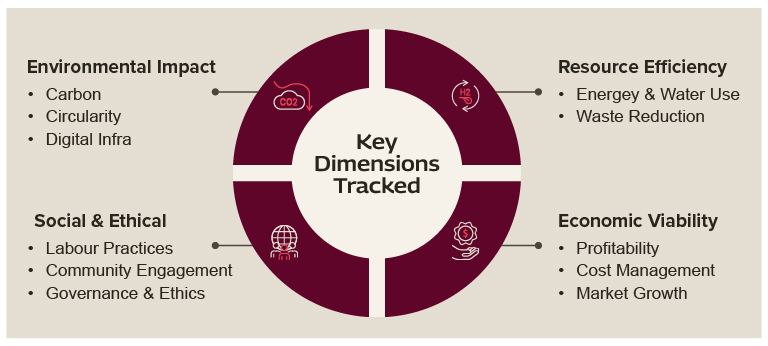
Figure 1: Four-Dimensional Sustainability Scorecard
It ensures that environmental considerations are integrated throughout the full product lifecycle, and not bolted on at the end.
Why Engineering Products Need a Different Kind of Scorecard
Not all scorecards are equal. Engineering teams need a version purpose-built for NPI, embedded in stage gates, measurable, and owned by design teams.
In engineering and smart-product contexts, this means a lean, directional approach that supports early baselining and ongoing tracking, covering both the physical product and the digital services that surround it.
Accounting for Smart and Software-Defined Products
Smart, connected products introduce an additional layer of complexity to sustainability. They continuously generate, transmit, and process data, much of which sits in energy-intensive data centers and cloud infrastructure. This digital layer introduces significant emissions beyond those of traditional hardware design.
And, the scale is concerning.
Data centers worldwide (excluding cryptocurrency mining) consumed 415 terawatt-hours (TWh) in 2024, about 1.5% of global demand, with IEA projecting growth to 945 TWh3 as cloud and AI workloads scale. That growth directly affects the carbon profile of smart products.
This means a product’s sustainability depends on how efficiently it generates, stores, and processes data. Traditional scorecards rarely capture this reality.
For smart and connected products, sustainability depends not only on hardware design but also on the energy footprint of software, data processing, and digital infrastructure.
Therefore, an engineering sustainability scorecard must evaluate:
- Hardware: Materials, components, manufacturing routes, and power use
- Software and Data Infrastructure: Data volumes, retention policies, processing locations, architecture, and firmware efficiency
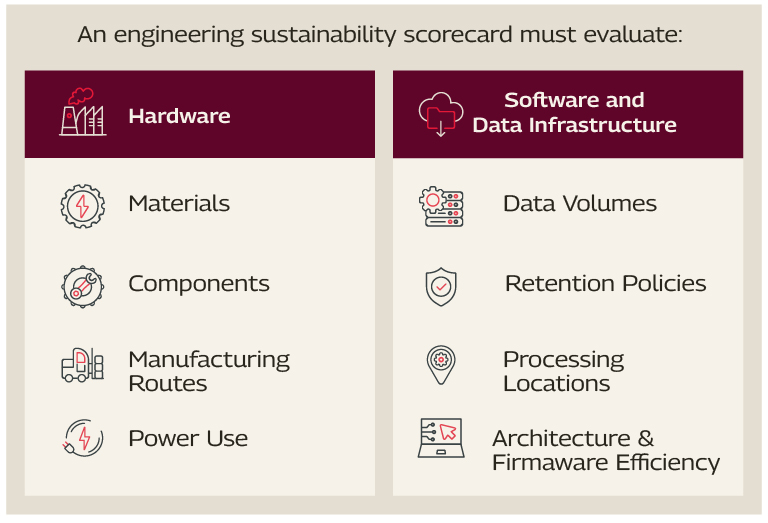
Figure 2: A Dual-Domain Sustainability Scorecard
Moreover, with Scope 3 accounting for most emissions for most product companies, particularly through suppliers and digital infrastructure, upstream visibility becomes essential for engineering teams.
The Urgent Need for Engineering‑Focused Scorecards
Think of this scorecard as a checklist for program, design, and project managers, built for design reviews and New Product Development (NPD) stage gates. Just as the checklist keeps teams on track and accountable, the engineering scorecard turns sustainability into a real-time, design-time responsibility.
Every critical lever is tracked, owned, and assigned, so nothing slips through the cracks.
Embedding sustainability scorecards into NPD gates helps teams identify high-impact design decisions early rather than correcting issues late in development.
Key elements include:
- Material and architecture choices scored upfront
- Supplier and manufacturing inputs benchmarked early
- Software and data-infrastructure efficiency with named owners
With regulations tightening and consumer demand for eco-friendly products rising, an engineering-grade scorecard is now a prerequisite for future-proof portfolios.
Beyond the Basics: Why Tech Mahindra’s Integrated Approach Delivers
Tech Mahindra understands that the need of the hour is sustainability at design speed, not audit speed.
Its integrated approach combines lean baselining with inputs from universal LCI inventory databases and BOM properties with engineering-grade scorecards that support:
- Target Definition: Component and subsystem targets based on feasibility and reduction potential
- Progress Tracking: Product development against sustainability targets across stage gates
- Constructive Monitoring: Clear visibility into how changes in design, materials, and transportation affect the product footprint
- Decision Support: AI-driven recommendations to help engineering teams prioritize high-impact actions
By combining PLM data, AI guidance, and engineering workflows, this approach turns sustainability from a reporting exercise into a design-time discipline.
Our ongoing exploration of a 3-phase approach for an AI-based SLS framework keeps the engineering sustainability scorecard live across every NPI stage, from baseline and concept through design, validation, multiple progressing pilots, and production. At each gate, the scorecard is refreshed, owners are assigned, and corrective actions are triggered to ensure component- and sub-system-wise targets are gradually achieved for reductions against the applicable impact categories identified during baselining.
| Phase | Objective | Sub-Activities | Outcome |
|---|---|---|---|
| Phase 1 – UI Entries | Establish an initial baseline for NPD programs |
| Transparent baseline dataset enabling sustainability targets early in product development |
| Phase 2 - PLM API Integration | Streamline and automate baseline creation |
| Efficient, consistent sustainability assessment embedded into engineering workflows |
| Phase 3 – Computer Vision AI | Maximize accuracy & optimize effort |
| Self-learning system with the highest accuracy, minimal manual effort, and proactive sustainability insights |
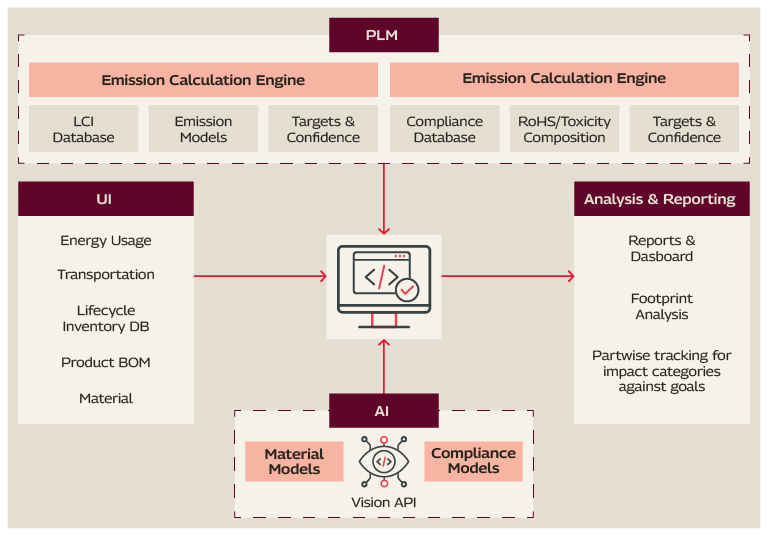
Figure 4: Carbon Footprint Baseline – NPI Process Flow
Tech Mahindra’s AI-led approach, which is under exploration, turns early design signals into clear, low-impact choices from the outset. Built for real NPI environments, our methodology gives engineers the intelligence and structure they need to act early on.
Our models interpret BOMs, 3D geometry, supplier inputs, historical LCAs, and vision intelligence to generate directional sustainability scoring at the concept stage. That clarity lets teams benchmark options early and focus on the few decisions that shape most of a product’s footprint.
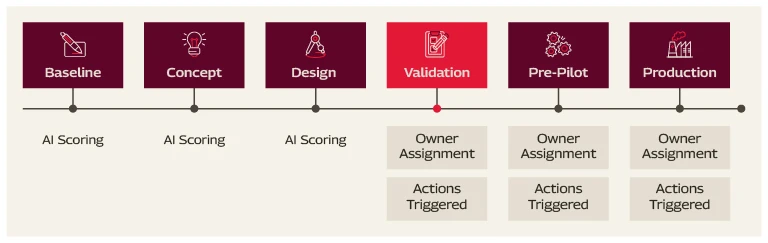
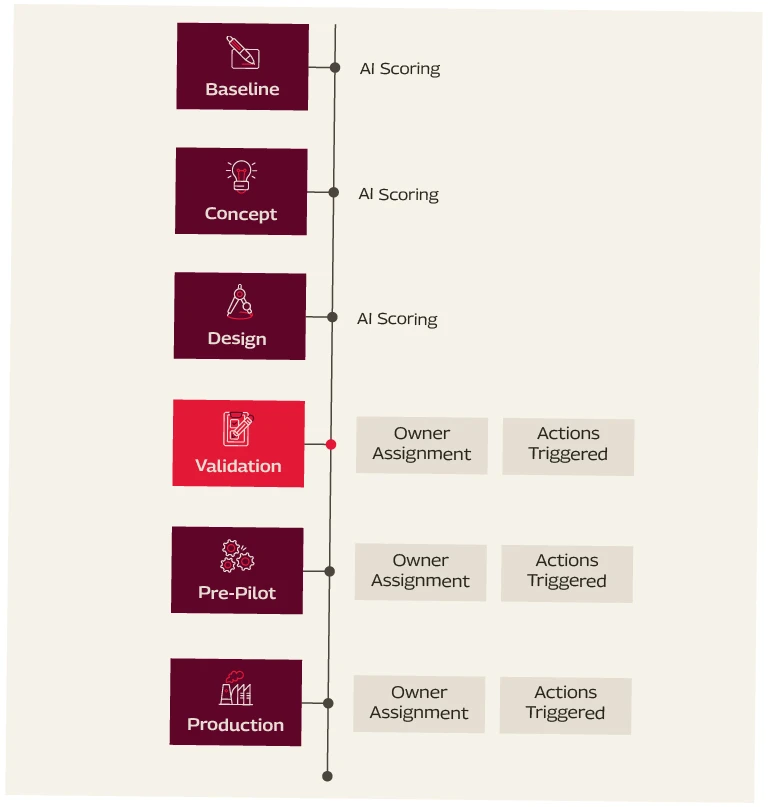
Figure 5: Live AI Scorecard: Driving Sustainability Ownership and Action Throughout the NPI Lifecycle
Sustainability evolves from a late-stage compliance step into a forward-driving design principle. This is where Tech Mahindra stands apart:
- A live engineering scorecard integrated across the entire product launch stages and lifecycle
- Early, measurable impact reduction across parts and subsystems of hardware and digital infrastructure
- Supplier governance approach through material compliance, rooted in audits, a responsible procurement approach, and support through the carbon border adjustment mechanism
- Future AI-driven identification of the critical few footprint drivers
- Clear translation of goals into design-ready engineering actions
Looking ahead, AI expands what’s possible. Vision AI can interpret early design artifacts, such as CAD models and layouts, to flag high-impact material and energy choices early. Large language models can act as decision copilots, combining BOM, supplier, LCA, and regulatory inputs to compare options and guide trade-offs. Together, these capabilities shift sustainability from measurement to predictive, design-time intelligence.
To help our customer achieve their carbon-neutral/net-zero targets, this approach transforms sustainability into a strategic product advantage.
Designing the Future, Sustainably
A smarter, engineering-ready sustainability scorecard is quickly becoming the anchor for direction for circular design, stronger ESG performance, and competitive edge. It’s also the path to building truly SLS-enabled sustainable products.
If you’re ready to explore the shift-left sustainability approach and a smart, engineering-specific scorecard, connect with Tech Mahindra’s experts and start shaping measurable, design-led impact.
TAGS:
Engineering Services
Sustainability
Frequently Asked Questions
Our FAQ section is designed to guide you through the most common topics and concerns.
A sustainability scorecard is a structured, gate-embedded framework that quantifies environmental, social, and economic performance across the product lifecycle, giving design teams a single, measurable source of truth for NPI decisions.
Reactive approaches surface carbon or energy issues after design completion, when 75–85% of costs are locked, causing redesigns, delays, and higher margins lost. Conventional LCAs are slow and ill-suited for early NPI guidance.
Connected products add a digital footprint—data storage, processing, and network energy—so assessments must include both hardware and software/data-infrastructure emissions.
Core dimensions include environmental impact (carbon, circularity), resource efficiency (materials, waste), social/ethical factors (supply chain transparency, safety), and economic viability (cost, manufacturability).
Challenges include integrating scorecards into NPI gates, retiring legacy tools, securing upstream supplier visibility (Scope 3), assigning owners, and enforcing governance to prevent complexity from returning.